Jan 29, 2026
OSHA Inspection Guide for Residential Contractors - Free Download 2026
Learn fall protection, inspection prep, 29 CFR 1926 requirements & avoid citations. Download now.
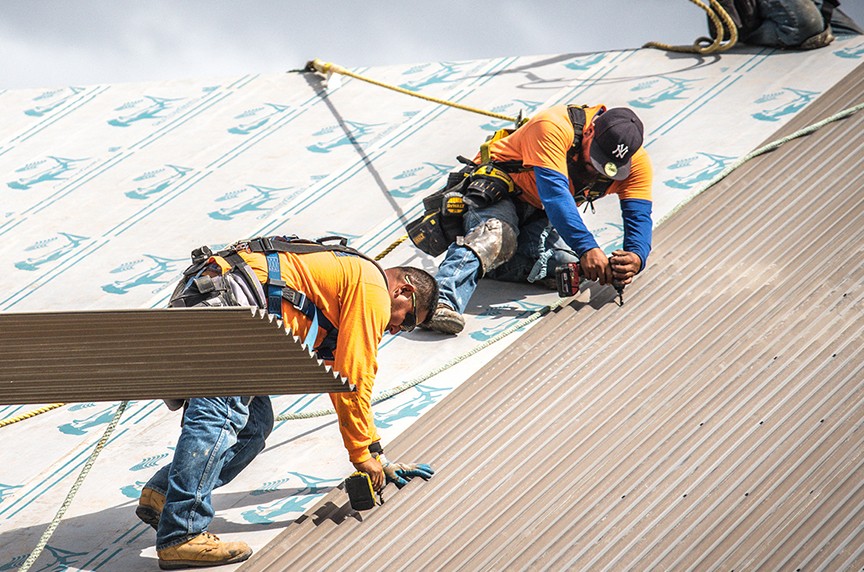
Free OSHA Inspection Guide for Residential Contractors
Updated January 2026 | Reading Time: 4 minutes
Residential contractors must comply with OSHA construction standards (29 CFR 1926), especially fall protection requirements. Our free comprehensive guide covers inspection preparation, compliance programs, and the most-cited violations to help you avoid costly penalties.
OSHA inspections can happen at any time, and residential construction contractors face unique safety challenges. Fall protection violations alone account for the majority of OSHA citations in residential construction, with penalties ranging from thousands to over $150,000 for willful violations.
Our free OSHA Inspection Preparedness Guide provides residential contractors with everything needed to achieve compliance, prepare for inspections, and build a culture of workplace safety.
What's Inside the OSHA Compliance Guide
This comprehensive 50-page manual covers:
• OSHA Construction Standards (29 CFR 1926): Complete overview of regulations affecting residential construction
• Fall Protection Requirements: Detailed compliance strategies for the #1 most-cited OSHA violation
• Inspection Preparation: Step-by-step protocols for responding to OSHA visits
• Top 10 Cited Violations: How to address scaffolding, ladders, electrical, PPE, and hazard communication
• Documentation Templates: Ready-to-use forms for safety programs, training logs, and inspections
• State-Specific Requirements: Guidance for 22 states with OSHA State Plans
Fall Protection: The #1 OSHA Violation
Fall protection violations (1926.501) are cited more than any other OSHA standard in residential construction. Workers must be protected from falls of 6 feet or more through:
• Guardrail systems on roofs, scaffolds, and elevated work platforms
• Personal fall arrest systems (full-body harness, lanyard, anchorage)
• Safety net systems where applicable
Top 10 Most-Cited OSHA Violations in Residential Construction
The guide provides detailed compliance strategies for:
• 1. Fall Protection (1926.501) - General requirements
• 2. Scaffolding (1926.451) - General requirements
• 3. Ladders (1926.1053) - Extension and step ladder safety
• 4. Hazard Communication (1926.1200) - Chemical safety
• 5. Respiratory Protection (1926.103) - Dust and fumes
• 6. Eye and Face Protection (1926.102)
• 7. Electrical (1926.404) - Wiring and equipment
• 8. Head Protection (1926.100) - Hard hats
• 9. Fall Protection Training (1926.503)
• 10. Silica Exposure (1926.1153) - Table 1 compliance
Free Templates and Resources Included
The guide includes downloadable templates:
• Written Safety and Health Program template
• Daily Competent Person Inspection Checklist
• Fall Protection Plan (1926.502(k))
• Employee Training Documentation Log
• Pre-Inspection Document Checklist
• OSHA 300 Log guide and recordkeeping requirements
State-Specific OSHA Requirements
Twenty-two states operate their own OSHA programs with potentially stricter requirements:
Cal/OSHA (California): Requires written Injury and Illness Prevention Programs for all employers
MIOSHA (Michigan): More stringent scaffolding standards
WISHA (Washington): Mandatory Accident Prevention Programs
The guide includes state-by-state requirements and contact information for all 22 State Plan states.
Why OSHA Compliance Matters for Your Business
• Avoid Costly Penalties: Serious violations start at $16,131 per violation; willful violations up to $161,323
• Protect Your Workers: Falls account for 33% of construction fatalities
• Reduce Insurance Costs: Better safety records lead to lower workers' comp premiums
• Win More Contracts: Many commercial clients require OSHA compliance documentation
• Build Your Reputation: Safety culture attracts quality workers and clients
Who Should Use This Guide
This comprehensive OSHA compliance manual is essential for:
• Residential construction contractors and builders
• Roofing contractors
• Remodeling and renovation contractors
• Framing crews and carpenters
• General contractors managing subcontractors
• Safety managers and competent persons
• Small construction businesses preparing for first OSHA inspection
Important Disclaimer
This guide is for informational purposes only and does not constitute legal advice. OSHA regulations are complex and subject to change. For guidance specific to your operations, consult with a qualified safety professional, OSHA consultant, or attorney specializing in occupational safety and health law.
Stay compliant. Stay safe. Protect your workers and your business with proactive OSHA compliance.